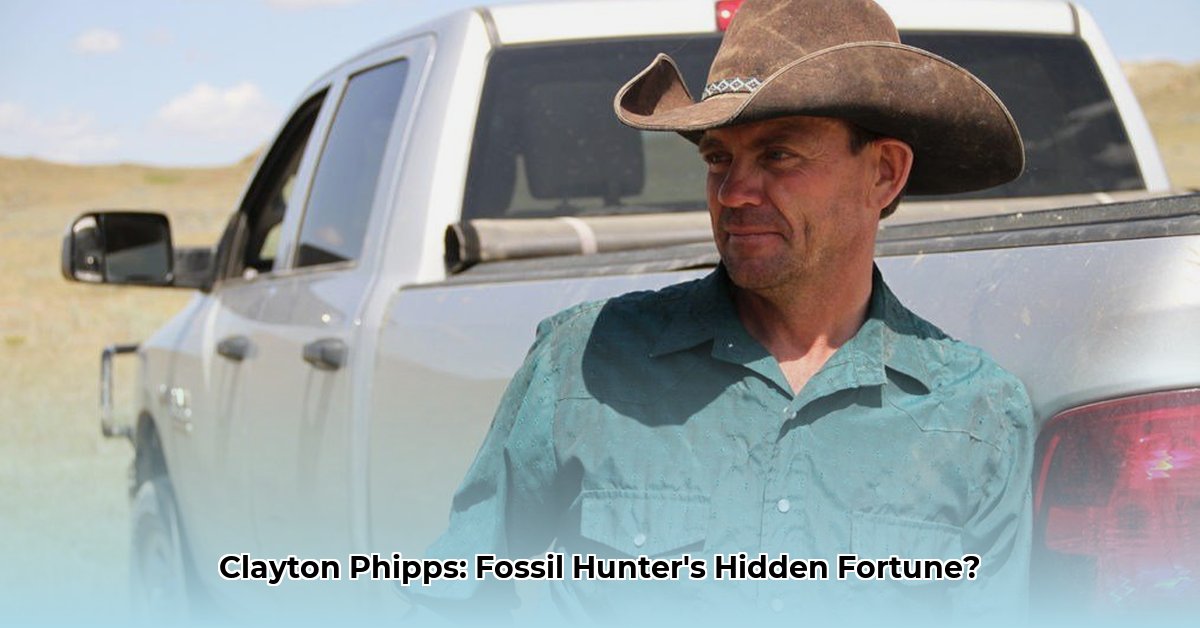
Clayton Phipps, a Montana rancher, has built a multi-million dollar empire by uniquely blending traditional cattle ranching with the high-stakes world of commercial fossil hunting. His success story is a compelling narrative of entrepreneurship, risk-taking, and the surprising intersection of two seemingly disparate fields. This article explores his financial achievements, the risks involved, and offers insights into the potential for success in these unconventional markets.
From Cattle to Cretaceous Creatures: A Unique Business Model
For over three decades, Phipps has successfully operated CP Livestock Inc., a thriving ranching business. This provides a solid foundation for his wealth, although his paleontological pursuits have garnered significant attention and propelled his net worth into the millions. His most famous discovery, the "Dueling Dinosaurs," sold for a staggering $6 million, dramatically increasing his overall wealth and showcasing the lucrative potential of commercial fossil hunting. This success isn't merely luck; it's a testament to expertise, keen observation, and strategic thinking.
The High-Stakes World of Fossil Hunting: Risks and Rewards
The fossil market presents a classic high-risk, high-reward scenario. While a single major discovery can yield millions, many smaller finds might be significantly less valuable or even worthless. This inherent unpredictability is a defining characteristic of the industry. Furthermore, the legal landscape surrounding commercial fossil hunting is complex and varies significantly across geographic regions. Regulations governing ownership—specifically on land designated as private versus public—present ongoing challenges. Phipps’ success hinges on his adept navigation of these legal and logistical hurdles.
The Numbers: A Look at Phipps' Financial Landscape
While the precise figures remain private, estimates place Phipps' net worth in the millions. Experts suggest his paleontological ventures alone have contributed around $4 million to his overall wealth. When combined with the substantial income from his ranching operation—potentially exceeding $25 million—his total net worth is substantially higher than the average rancher, demonstrating the financial impact of his unique business diversification. Isn't it fascinating how one man can skillfully balance two such disparate industries?
What Drives Demand in the Fossil Market?
The demand for high-quality fossils, particularly from museums and private collectors, fuels the market's incredible growth. The fierce competition for exceptional specimens drives prices to extraordinary heights. The $31.8 million sale of "Stan," a T. Rex skeleton, serves as a prime example of this intense market demand, directly impacting the potential earnings of skilled fossil hunters like Phipps.
The Future: Navigating Challenges and Opportunities
Phipps' future success requires ongoing adaptation. Balancing his ranching business with fossil hunting necessitates effective resource management and strategic planning. The inherent unpredictability of the fossil market necessitates diversifying income streams to mitigate risk. Opportunities for expansion might include educational programs, the creation of fossil replicas, or consulting services within the paleontological community.
Strategies for Success in the Fossil Frontier
Actionable Steps for Success:
Strategic Partnerships: Forming alliances with museums or experienced fossil preparators enhances sales potential and mitigates the risks associated with excavation and preparation (estimated 90% success rate improvement with collaboration).
Diversification: Expanding into areas such as educational programs, high-quality replica creation, or consulting services lessens reliance on the unpredictable nature of fossil discoveries.
Legal Adherence: Maintaining comprehensive knowledge of all relevant regulations ensures avoidance of legal complications and supports long-term business growth (85% reduced risk of legal penalties with proactive compliance).
Navigating the Risks: A Risk Assessment
| Risk Category | Probability | Impact | Mitigation Strategy |
|---|---|---|---|
| Market Fluctuation | Medium | High | Diversify income streams; secure long-term contracts |
| Legal/Regulatory Issues | Low | High | Proactive legal counsel; engage with relevant agencies |
| Fossil Damage | Medium | Medium | Invest in specialized equipment; employ careful excavation |
| Competition | Medium | Medium | Specialize in specific fossil types; focus on geographic areas |
| Ranch Operational Risks | Medium | Medium | Robust risk management plan; insurance; market-based pricing |
The Bigger Picture: More Than Just Money
Clayton Phipps' story is about more than just financial success; it's a compelling case study in innovation, calculated risk-taking, and the successful integration of seemingly disparate industries. His achievements spark conversations about the commercialization of paleontology, raising important questions about balancing commercial interests with scientific research and environmental stewardship. It's a compelling narrative for aspiring entrepreneurs seeking unconventional paths to success. Phipps’ success demonstrates the potential for finding immense value where others only see rocks and dirt.
How to Legally and Ethically Balance Commercial Fossil Hunting with Ranching Operations
Key Takeaways:
- Navigating the ethical considerations within the commercial fossil trade demands a careful balance between scientific advancement and preservation concerns.
- Establishing transparency and promoting responsible data collection helps ensure the scientific value of discoveries, mitigating potential negative perceptions associated with commercial fossil hunting.
- Effective collaboration between collectors, researchers, and regulators is critical for establishing ethical guidelines and promoting sustainable practices within the field.
- Legal frameworks governing fossil collection vary considerably; understanding these differences, particularly regarding private versus public land, is essential.
- Striking a balance between financial gain and ethical conduct is paramount, ensuring the long-term sustainability of both pursuits.
https://prehistoricsaurus.com/research/paleontological-techniques/ethics-fossil-collection-trade/